Why Bringing on a Residential Electrician Is Indispensable for Home Safety!
Hiring a residential electrical contractor is crucial for guaranteeing home safety. Many property owners downplay the intricacies of power distribution networks. DIY efforts can lead to serious hazards, such as power-related blazes or electrical explore article injuries. Licensed electricians bring vital knowledge, ensuring adherence to local codes and safety standards. The consequences of neglecting correct electrical installation can be catastrophic. Recognizing the importance of expert assistance can make a substantial difference in home security. What specific advantages can these experts provide?
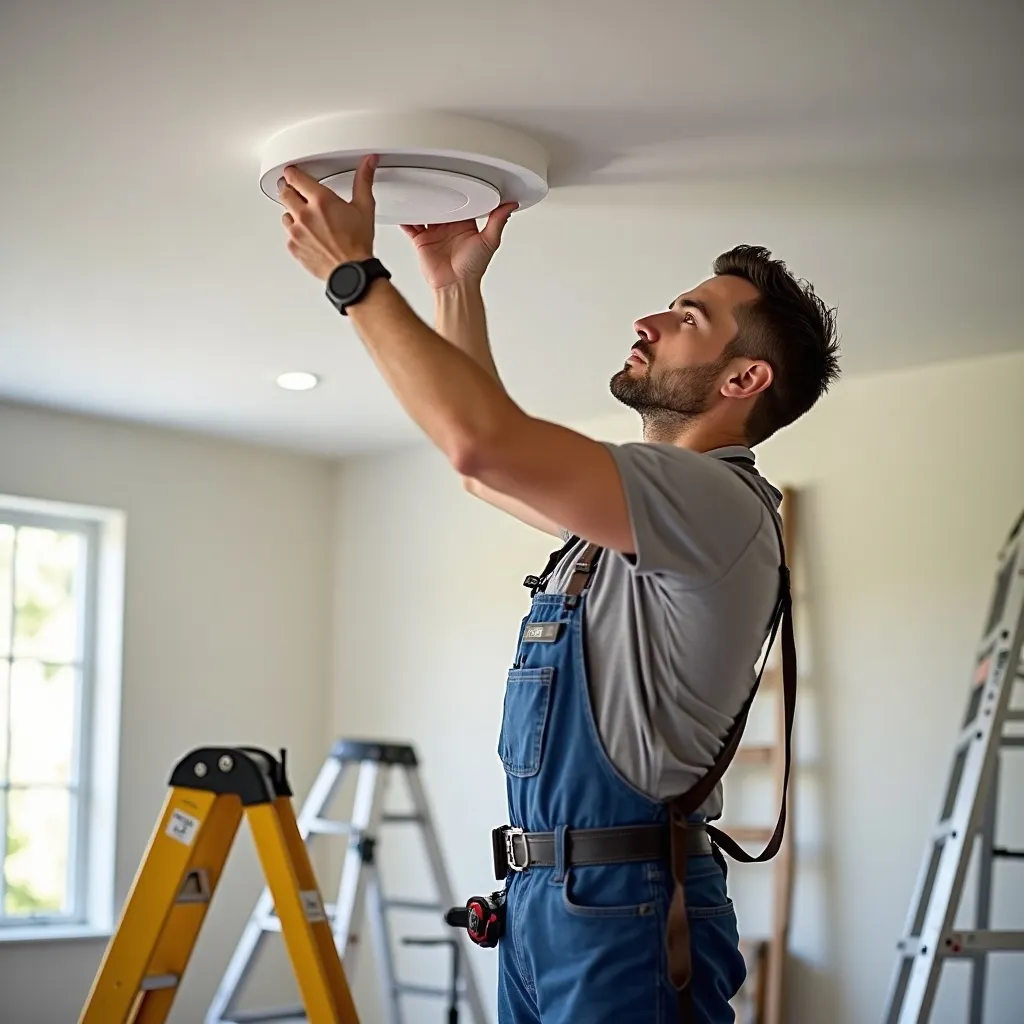
Understanding the Risks of DIY Electrical Work
Attempting DIY electrical work can appear appealing to property owners hoping to reduce costs, but it brings major risks. Many individuals underestimate the intricacy of electrical systems, regularly resulting in faulty repairs or installations. This lack of professional competence can lead to electrical failures, blazes, or shock injuries, imperiling both the occupant and their home.
Furthermore, DIY projects may not adhere to local building codes, potentially resulting in legal complications or costly fines.
Furthermore, lacking the proper tools and safety equipment, property owners may expose themselves to hazardous situations. Even apparently straightforward jobs, such as installing a new light fixture, can have unexpected issues if not performed properly.
The threat of extended harm to the home's electrical infrastructure is likewise a concern.
The Proficiency That Protects Your Home Safe
When tackling home safety issues, a residential electrician's knowledge becomes essential.
They conduct detailed safety examinations, making sure all systems are working properly and satisfy regulatory standards.
In addition, their awareness of code regulations and expert troubleshooting skills prevent potential hazards before they materialize as serious difficulties.
Comprehensive Safety Inspections
A detailed safety assessment conducted by a qualified residential electrician is vital for maintaining a secure home space. During this process, electricians examine wiring, outlets, and electrical panels to identify potential dangers.
They review for aged equipment that may present fire risks or trigger electrical failures. Additionally, they inspect the grounding and bonding systems to confirm they meet safety standards.
When electricians recognize problems like overloaded circuits or faulty wiring, they give homeowners practical recommendations to mitigate risks. These inspections not only improve safety but also boost energy efficiency, potentially lowering utility bills.
In the end, ongoing safety evaluations safeguard both the home and its inhabitants, assuring a dependable electrical system that performs optimally.
Code Conformance Verification
Code compliance assurance functions as an important factor in guaranteeing the safety and dependability of residential electrical systems.
Expert electricians show competence of local, state, and national electrical codes, which are put in place to preserve homeowners from conceivable threats. These codes encompass various aspects, such as wiring methods, circuit protection, and grounding techniques, all paramount for safe operation.
By following these regulations, electricians minimize the danger of fire hazards, electrical shock, and equipment failure. Moreover, standards compliance is often a requirement for home insurance and can impact property value.
Homeowners who hire a qualified electrical professional guarantee that their electrical installations comply with required regulations, providing peace of mind and a safer living environment.
Skilled Technical Proficiencies
Electrical systems can develop problems despite meeting safety codes. When complications occur, expert analysis becomes critical.
Residential electricians possess expert knowledge and skills that enable them to spot issues promptly, often prior to becoming serious dangers. Their capacity to examine intricate electrical networks and pinpoint issues ensures that homeowners are not left in the dark—literally and figuratively.
These knowledgeable professionals deploy advanced tools and techniques to uncover complications, whether it's a flickering light or a tripped breaker. By addressing these matters in a timely fashion, they not only restore proper performance but also enhance the overall safety of the home.
Ultimately, relying on a skilled electrician for problem diagnosis is a proactive step toward safeguarding both property and residents.
Selecting the Right Residential Electrical Professional
Determining the fitting qualified electrician takes thorough assessment of multiple critical points.
Homeowners should confirm credentials and licenses to ensure adherence with local regulations.
Furthermore, evaluate the electrician's experience and expertise, and ask for comprehensive quotations for transparency.
These steps aid in determining an informed decision that prioritizes quality and safety.
Verify Qualifications And Certifications
Prior to hiring a residential electrician, it is essential to confirm their credentials and licenses to guarantee compliance with local regulations and industry standards. This step guarantees that the electrician has completed the necessary training and has the knowledge required for safe and efficient electrical work.
Verifying proper licensing protects homeowners from potential liabilities and guarantees that the electrician adheres to safety protocols. Additionally, confirming credentials can help identify professionals who keep current on the latest industry practices and technologies.
Homeowners should ask for insurance documentation and confirm that the electrician possesses any required certifications. Taking these precautions not only enhances safety but also fosters trust in the quality and reliability of the electrical services provided.
Review Experience And Expertise
Reviewing the experience and expertise of a residential electrician is important for ensuring quality results. A proficient electrical technician typically brings a wealth of knowledge accumulated over years of on-the-job experience. This training empowers them to address various electrical systems and troubleshoot issues competently.
Potential clients should ask regarding the electrician's specific areas of expertise, such as residential wiring, lighting installations, or electrical repairs. Furthermore, understanding the kinds of projects they have previously completed can offer understanding of their capabilities.
Feedback and testimonials from earlier clients can also provide valuable resources in measuring reliability and quality of service. By thoroughly evaluating an electrician's knowledge and competence, homeowners can determine the best course that highlight safety and optimal performance.
Solicit In-depth Estimates
How might property owners guarantee they receive competitive rates and quality service when hiring a home electrical contractor? An proven approach is to request detailed estimates from multiple electricians.
This method not only supports evaluating costs but also supplies understanding of the scope of work involved. Homeowners should validate that estimates encompass labor, materials, and any additional fees. A direct estimate exemplifies the electrician's professionalism and readiness for open dialogue.
Additionally, it allows homeowners to inquire regarding any unclear charges, cultivating a better understanding of the project. By obtaining diverse estimates, homeowners can establish sound decisions, thereby securing they employ a qualified residential electrician who meets their needs while adhering to safety standards.
Top Electrical Concerns Best Addressed by Technicians
When electrical problems occur in a home, it's crucial to identify which issues demand professional expertise. Typical electrical issues that should be entrusted to licensed electricians include frequent circuit breaker trips, which may indicate overloads or faulty wiring.
Flickering lights may reveal more serious issues, such as loose links or outdated electrical networks. Additionally, outlets that are warm or emit a scorched odor pose significant fire hazards and should be examined right away.
A further issue is the installation of new electrical systems or fixtures, which often demands compliance with local codes and safety standards. Homeowners should also get professional assistance for any electrical projects involving the main service panel, as errors in this area can create dangerous situations.
Why Standards Compliance Is Necessary for Safety
Ensuring that electrical installations complies with code compliance plays a crucial role in preserving safety within home environments. Electrical codes are created to reduce hazards such as fires, electrocution, and property damage. These regulations are formulated based on extensive research and industry standards, reflecting the latest safety measures.
When homeowners hire out to a residential electrician, they capitalize on the professional's expertise in navigating these codes, ensuring all installations and repairs are compliant.
Non-compliance can lead to hazardous conditions, such as defective electrical systems and insufficient electrical grounding, which may not only pose risks to inhabitants but also affect insurance coverage. Additionally, properties that do not meet code standards can face penalties or complications during real estate transactions.
In the final analysis, following electrical codes is vital for protecting lives and property, stressing the importance of retaining qualified electricians for all electrical work.
Boost Long-Term Financial Benefits with Professional Installations
Investing in expert electrical work can yield significant long-term savings for property owners. Skilled electricians ensure that all wiring and systems are properly set up, reducing the likelihood of expensive fixes and upgrades due to poor installation. By following electrical safety standards and using high-quality materials, professionals minimize the risk of dangerous electrical conditions, which can lead to expensive damage or even fire.
Also, efficient energy technologies can bring down utility bills over time. For instance, upgrading to energy-efficient lighting and appliances can result in substantial savings on electricity costs. Additionally, professional electricians can share expertise on optimizing electrical systems for better efficiency.
Ultimately, while the upfront expense of employing a skilled electrician may appear greater than a DIY approach, the long-range benefits—such as decreased repair costs and lower energy bills—far outweigh the upfront expenditure.
Property owners can shield their financial interests and residences by focusing on professional electrical expertise.
The Sense of Security That Accompanies Expert Solutions
Peace of mind often comes with the decision to hire a professional electrician. Homeowners can rest assured knowing that their electrical systems are in the hands of skilled technicians who comprehend the complexities of wiring, circuits, and safety regulations.
Professional electricians possess the required qualifications and expertise to detect potential hazards, guaranteeing that electrical work and maintenance comply with safety regulations.
Moreover, hiring a professional minimizes the threat of electrical issues that could lead to unsafe conditions such as fire risks or electrical injury. The reassurance that a qualified specialist has completed the work permits homeowners to attend to their normal routines without worrying about unknown hazards.
Additionally, many professional electricians offer warranties for their services, further enhancing the sense of security.
Ultimately, trusting a skilled electrician not only safeguards the home but also creates a stress-free atmosphere, enabling families to flourish without the burden of unresolved electrical issues.
Common Questions Asked Often
What Methods Can I Use to Locate a Experienced Residential Electrician?
To locate a qualified residential electrician, one should check for proper licensing, coverage, and credentials. Additionally, checking web-based feedback and seeking advice from loved ones can help ensure the electrician's credibility and competence.
What Are the Warning Signs of Electrical Malfunctions in My Home?
Warning signs of electrical problems are flickering lights, tripped circuit breakers, warm outlets, smells of burning, and discolored switches. Odd noises from appliances or outlets could also mean possible problems needing immediate action from a trained electrician.
How Frequently Should I Have My Electrical System Inspected?
Property owners should get their electrical systems examined every three to five years. Routine inspections help identify potential issues early, providing safety and efficiency while lowering dangers associated with outdated or faulty electrical components in the home.
Can I Able of Performing Small Electric Fixes by Myself?
While small electrical fixes may seem doable, it's recommended to contact a professional. Inadequate knowledge can lead to safety hazards, potential code violations, or expensive repairs, stressing the necessity for expert assistance for electrical tasks.
What Must I Do in Event of an Electric Emergency?
During an electrical emergency, it is important to quickly shut off the power at the circuit breaker, refrain from touching live wires, and reach out to a qualified electrician for assistance. Safety should always be the top priority.